High Street SE20 gardeners for period property gardens
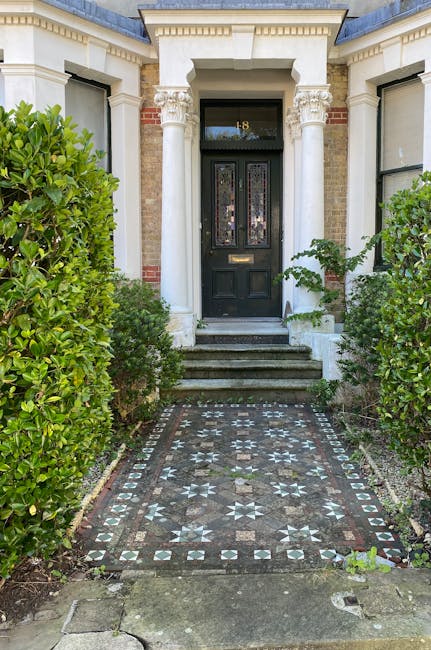
Period gardens need a different touch. They are rarely about flashy changes or trendy planting schemes that look good for one summer and then fight the house the rest of the year. If you are looking for High Street SE20 gardeners for period property gardens, you are probably after something more careful: a garden that suits the age of the home, respects original features, and still works for everyday life. That balance matters a lot.
In High Street SE20 and the wider South London setting, period homes often come with compact front spaces, longer rear gardens, mature boundaries, and a few quirks that only show up once you start digging. A good gardener sees those quirks as part of the charm, not a problem to bulldoze. This guide explains how period property garden care works, what to look for, common mistakes to avoid, and how to get a result that feels settled rather than overdone.
To make things easier, you will also find a practical checklist, a comparison table, and a straight-talking FAQ section near the end. No fluff. Just the stuff that helps you make a sensible decision.
- Why this matters for period gardens in SE20
- How the process usually works
- Key benefits and practical advantages
- Who needs this service and when it makes sense
- Step-by-step guidance
- Expert tips for better results
- Common mistakes to avoid
- Tools, resources and recommendations
- Law, compliance, standards and best practice
- Options and comparison table
- Case study / real-world example
- Practical checklist
- Conclusion
- Frequently asked questions
Why High Street SE20 gardeners for period property gardens Matters
A period property garden is not just "an outside space". It is part of the building's character. The front path, hedge line, mature tree, original brick boundary, old paving, or a slightly uneven lawn all tell you something about the house. Treat the garden as if it were a blank modern plot and, well, things can go sideways pretty quickly.
In SE20, many period homes sit on streets where the garden has been shaped by decades of use, extension work, and small DIY fixes. That means a gardener needs more than basic maintenance skills. They need judgement. They need to know when to prune lightly, when to leave a mature feature alone, and when a tired planting bed is better refreshed than ripped out.
This matters for three reasons:
- Respect for heritage: the garden should sit naturally with the age and style of the house.
- Practical use: it still has to cope with family life, pets, bins, bikes, and the usual day-to-day stuff.
- Long-term value: good garden care reduces the risk of neglected growth, damaged edges, or work that has to be redone.
To be fair, a lot of garden work fails here because people chase "tidy" rather than "balanced". A period garden can be neat without being clipped to within an inch of its life. It can feel lived-in without looking messy. That is the sweet spot.
If you are reviewing options, the broader services overview is a useful place to see how different garden tasks can be combined sensibly rather than tackled as disconnected jobs.
How High Street SE20 gardeners for period property gardens Works
Good period garden care usually starts with observation. Not action. That sounds obvious, but it is where the best results come from. Before any tools come out, the gardener should look at the structure of the garden, the condition of the soil, the age of planting, and how the space relates to the house.
In practice, the process often looks like this:
- Initial assessment: checking layout, access, drainage, overgrowth, boundary lines, and any sensitive features.
- Priority setting: identifying what needs attention first, such as hedges, lawn edges, tree safety, or general clearance.
- Selective work: pruning, mowing, trimming, re-edging, clearing, and reshaping without stripping out useful structure.
- Refinement: tidying paths, borders, and focal points so the garden looks intentional.
- Ongoing care plan: deciding what should happen monthly, seasonally, or only once or twice a year.
That last part is where many people underestimate the difference between a one-off tidy and proper period garden management. A mature front garden with a hedge and old shrubs might need little weekly fuss, but it will still need the right seasonal attention. Leave it too long and it quickly turns from elegant to crowded. You know the sort of thing - one week it looks "fine", and the next it is swallowing the path.
For recurring upkeep, garden maintenance is often the most sensible fit because it keeps the garden steady rather than repeatedly resetting it from scratch. If the space has become heavily overgrown, a more initial garden clearance may be the right starting point.
Key Benefits and Practical Advantages
Working with gardeners who understand period properties brings benefits that go beyond neat borders. The advantages are practical, visual, and financial in a quiet sort of way.
- Better curb appeal: a front garden that suits the house makes the whole property feel cared for.
- Less damage risk: careful pruning and sensible clearance reduce the chance of rubbing, lifting, or broken growth.
- More usable space: tidy paths, managed edges, and clearer access make a garden easier to live with.
- Healthier planting: proper trimming and targeted care support stronger growth over time.
- Preservation of character: the right approach keeps mature features and avoids that "new build in an old shell" feel.
There is also a less obvious benefit: confidence. Once a period garden is in balance, you stop worrying about whether the hedge is creeping, the lawn is patchy, or the tree is getting too dominant. That mental relief counts, honestly. Especially if you are busy and the garden has been niggling at you for months.
For some properties, a well-judged update to boundaries or hard landscaping can also make day-to-day use much easier. That might mean new edging, better access, or replacing awkward sections with something calmer. If that kind of improvement is on the table, landscape gardening and broader landscaping can help shape the space without losing its period feel.
Who This Is For and When It Makes Sense
This kind of service suits homeowners, landlords, and property managers who want a garden that feels appropriate to the building rather than simply "done". It is especially relevant if your house has original brickwork, Victorian or Edwardian proportions, older boundary walls, mature planting, or a layout that has evolved over time.
It makes particular sense when:
- the garden has become overgrown but you do not want a harsh reset;
- you are preparing a period property for sale or letting;
- previous garden work has looked too modern, too severe, or just a bit off;
- you want the front and back gardens to feel coherent with the house;
- there are trees, hedges, or lawn areas that need careful ongoing attention.
A quick example: a narrow terrace garden with a mature hedge, a tired lawn, and an awkward corner bed does not always need a redesign. Sometimes it needs restraint. Light shaping, sensible edging, and the right mowing rhythm can reveal the structure that was already there. Simple, but not easy.
If hedges are part of the picture, hedge trimming can be a very useful service because the hedge often defines the whole look of a period frontage. If lawn areas are central, lawn mowing supports the clean, formal finish that older properties often suit best.
Step-by-Step Guidance
If you are planning work on a period property garden in High Street SE20, a measured process will usually give the best result. Here is a simple way to think about it.
- Walk the garden slowly. Look at the view from the house, the boundary lines, the access routes, and anything that feels visually heavy or neglected.
- Separate "must do" from "nice to do". Safety, access, and structural tidiness come first. Decorative changes can wait.
- Protect the features that give the garden character. Mature shrubs, old paving, original walls, and established trees often deserve gentle handling.
- Choose the right scale of intervention. Not every border needs replanting. Not every hedge needs hard reduction. Sometimes a lighter touch is the real skill.
- Set a maintenance rhythm. Some areas need regular care; others only need seasonal intervention.
- Review after the first cut or tidy. Period gardens often look best after a slight pause, once the shape has settled.
This process helps avoid the common "we did too much" problem. It happens more often than people admit. A garden can go from dignified to bare very quickly if every decision is made with the same heavy hand.
If there is tree work involved, it is worth taking a cautious approach. Trees in period gardens can be valuable features, but they can also create shading, root competition, and safety concerns. For that reason, tree lopping and removal should only be considered after a proper look at the tree's condition, position, and overall role in the garden.
Expert Tips for Better Results
The best advice here is often the quietest advice. You do not need to reinvent the garden. You need to listen to it.
- Keep the original rhythm of the garden. If the space has formal lines, work with them. If it is looser and cottage-like, do not force it into a rigid box.
- Prune with purpose. Remove dead, damaged, crossing, or awkward growth before anything else.
- Use edges to sharpen the whole picture. Clean lawn edges and border lines can make a tired garden look better almost instantly.
- Avoid over-mulching old beds. Too much material can hide problems and sometimes suffocate weaker plants.
- Respect sightlines. In a period property, the view from the front door or rear window often matters more than a feature in the far corner.
One small trick that helps: stand at the back of the room and look out as if you were seeing the garden for the first time. What catches your eye first? A tree trunk, a hedge block, a messy edge, a leaning fence panel? That first glance tells you more than a lot of complicated planning ever will.
If you are comparing providers, it also helps to check how they talk about trust, handling, and site care. Pages such as about us, insurance and safety, and health and safety can give you a clearer sense of the standard they work to.
Common Mistakes to Avoid
Period gardens are forgiving in some ways, but not in others. Once you make a mistake with structure or scale, it can take a while to recover.
- Cutting too hard, too fast. A heavy prune can leave a garden exposed and thin-looking for months.
- Replacing mature planting just because it looks tired. Sometimes age is part of the appeal.
- Ignoring drainage and soil condition. If the ground is compacted or waterlogged, pretty plants will struggle.
- Over-modernising the layout. Strong contemporary materials can clash with older homes if they are not handled carefully.
- Leaving maintenance too long between visits. Old gardens often need consistency more than drama.
There is also the issue of boundary work. A hedge or fence line that drifts even a little can make the whole garden feel untidy. It seems minor, but it adds up. If a boundary needs regular shaping, having it included in the plan can save a lot of visual noise later on.
And yes, sometimes the "quick fix" is the most expensive one in the long run. A garden is a bit like a houseplant that got bigger than expected. Ignore it, and it will make itself known.
Tools, Resources and Recommendations
You do not need a huge kit list to care for a period garden properly, but you do need the right tools and a sensible sequence of work. The main aim is clean, controlled results rather than brute force.
Useful tools and materials often include:
- sharp hand shears for light shaping;
- hedge cutters for controlled boundary trimming;
- lawn mowers suited to the size and texture of the grass;
- pruning saws and loppers for selective woody growth;
- rakes, edging tools, and buckets for finish work;
- mulch or compost used carefully and only where appropriate.
For larger jobs, especially where there is a lot of cut material, the logistics matter too. Waste needs to be handled properly, and the site should be left clean. If you are planning a big tidy-up, garden clearance can be the practical way to deal with debris without leaving piles sitting around for days.
For people who want a cleaner long-term routine, recurring garden maintenance is usually better value than waiting until the whole plot feels out of hand. That is especially true with older homes, where growth patterns can change slowly and then all at once.
Law, Compliance, Standards, or Best Practice
Most garden care around period properties is straightforward, but there are a few areas where responsible practice matters. This is especially true when trees, waste removal, access, or contractors on site are involved.
For example, tree work should be approached carefully and, where needed, checked against local requirements or ownership considerations. If a tree is protected or sits in a sensitive setting, it is sensible to pause and confirm the position before any major work. The same goes for long-standing boundary features, shared access, and adjacent property lines.
From a best-practice point of view, a trustworthy gardener should:
- work safely and keep the site tidy;
- avoid unnecessary damage to roots, paving, walls, or fences;
- be clear about what work is included before starting;
- dispose of green waste responsibly;
- use proportionate methods rather than forcing one style on every garden.
That may sound obvious, but it is where many jobs either succeed quietly or become a headache. If you are unsure about service terms, pricing structure, or what happens if plans change, it helps to read pages such as pricing and quotes and terms and conditions before booking. It is just good housekeeping, really.
Options, Methods, or Comparison Table
Not every period garden needs the same kind of care. Some need maintenance. Some need selective reshaping. A few need a more significant reset. Here is a simple comparison to help you think it through.
| Approach | Best for | What it usually includes | Best outcome |
|---|---|---|---|
| Routine maintenance | Established gardens that are already broadly in shape | Mowing, trimming, edging, light pruning, general tidy-ups | Steady, polished appearance all year |
| Selective restoration | Period gardens that feel cluttered or unbalanced | Targeted pruning, boundary correction, border tidy-ups, minor reshaping | Character preserved, visual calm restored |
| Clearance-led reset | Overgrown or neglected spaces | Removal of excess growth, waste clearance, access restoration | A workable base for future planting or care |
| Landscaping update | Spaces needing layout improvements or new features | Reworking paths, borders, levels, planting structure, or hard features | A garden that functions better without losing its period feel |
If you are not sure which route fits, start with the least invasive option that solves the main issue. That approach is almost always kinder to a period property. And usually cheaper. Usually.
Case Study or Real-World Example
Picture a typical SE20 period terrace with a modest front garden, a long rear stretch, and a hedge that has slowly become wider than intended. Nothing dramatic. Just a garden that has been left to do its own thing for a while.
The first visit focuses on access and structure. The front path is cleared back, the hedge is brought under control with a light but precise trim, and the lawn edges are cut back so the house frontage looks sharper. In the rear garden, the work is more measured. A few congested shrubs are thinned, dead material is removed, and the borders are defined again so the beds read clearly from the back door.
What changes? Not everything. That is the point.
The garden still feels old enough to belong to the house, but it now reads as intentional. The view from inside improves. The air feels less crowded. The space becomes easier to maintain, which is often the real win. No grand transformation needed. Just careful work, done in the right order.
That kind of outcome is exactly why people look for gardeners who understand older homes. They are not hiring someone to impose a style. They are hiring someone to reveal the garden that was already there, under the clutter.
Practical Checklist
Use this quick checklist before you book or brief a gardener for a period property garden in High Street SE20:
- Have you identified the features you want to keep?
- Do you know whether the garden needs maintenance, clearance, or a light redesign?
- Are there trees, hedges, or old planting that need special care?
- Have you considered access, waste removal, and any awkward corners?
- Do you want the garden to feel formal, relaxed, or a blend of both?
- Is there a budget for ongoing care rather than just a one-off tidy?
- Have you checked service details, safety, and what happens after the job is done?
- Are there hard features, like decking or paths, that need to be included in the plan?
And one more practical thought: if the garden has a lot of mixed growth and old debris, start with a clean slate only where necessary. You can preserve the character and still get control back. The two are not enemies.
For added help with surface features and outdoor living areas, it can also be worth reviewing decking services if a deck forms part of the wider garden plan.
Get a free quote today and see how much you can save.
Conclusion
High Street SE20 gardeners for period property gardens need to do more than tidy up. They need to work with the age, shape, and mood of the property itself. That means careful pruning, thoughtful maintenance, gentle restoration where needed, and enough restraint to avoid flattening the garden's personality.
If your garden feels slightly tired, overgrown, or oddly disconnected from the house, that does not mean it needs a full overhaul. More often, it needs a calm, experienced hand and a plan that respects what is already there. Truth be told, that is where the best results come from. Not drama. Judgement.
Choose the right approach, keep the character, and the garden will repay you in ways that are easy to see and even easier to live with. There is something reassuring about a period garden that feels settled again. It just feels right.
Frequently Asked Questions
What makes period property gardens different from modern gardens?
Period property gardens usually have stronger existing character, older planting, established boundaries, and a layout that grew over time rather than being designed all at once. That means they benefit from a lighter, more considered touch.
Do period gardens always need a full redesign?
No. In many cases, selective maintenance, pruning, edging, and clearance are enough. A full redesign is only worth considering if the layout no longer works or the existing structure has broken down.
How often should a period garden be maintained?
It depends on the planting and the season, but regular maintenance is usually better than waiting until everything has overgrown. Hedges, lawns, and borders often benefit from a steady rhythm rather than occasional big clear-ups.
Can mature trees stay in a period garden?
Often, yes. Mature trees can be part of the charm. The key is to manage them carefully and only carry out work that supports safety, health, and the overall balance of the garden.
Is garden clearance suitable for older homes?
Yes, provided it is done carefully. Clearance is useful where the space has become cluttered, but it should not remove the features that give the garden its character.
What should I prioritise first in an overgrown period garden?
Start with access, safety, and structure. Then move on to hedges, lawn edges, border definition, and selective pruning. That sequence usually gives the best early improvement.
Will landscaping make my period property look too modern?
Not if it is planned well. Good landscaping can improve function while still matching the house. The trick is to choose materials, lines, and planting that sit comfortably with the building's age and style.
How do I know whether I need hedge trimming or full garden maintenance?
If the main issue is boundary shape or privacy screening, hedge trimming may be enough. If the whole garden needs ongoing attention, maintenance is usually the better option because it covers the wider picture.
Are lawns important in period gardens?
They can be, especially in formal or traditional layouts. A well-kept lawn helps the garden feel balanced and tidy, but it should be matched to the space and the amount of light it gets.
What are the biggest mistakes people make with old gardens?
The most common mistakes are over-pruning, removing mature features too quickly, ignoring drainage, and using modern materials that clash with the property. A period garden usually needs calm decisions, not rushed ones.
How do I prepare for a quote?
Walk the garden first, make a list of the problem areas, and note anything you want preserved. It also helps to think about whether you want a one-off tidy, regular maintenance, or a longer-term plan.
Is it worth asking about safety and insurance before work starts?
Yes, definitely. Any contractor working on your property should be clear about safety and liability. It is a normal, sensible check, not being fussy.
If you want to learn more about the company behind the service, you can also read about us, check the insurance and safety information, or visit the contact us page when you are ready to make an enquiry.